
Tétine & Santé
30.06.2026
My child bites his dummy: should he keep his Clipp dummy?

We often hear from parents saying: “My child bit their Clipp pacifier – it’s torn. Is it normal? Is it a defect?”
We understand the surprise, even frustration: you’ve invested in a thoughtful weaning pacifier – and now it’s damaged?
In most cases, the issue isn’t the product quality. It’s your child evolving. And that’s actually a good sign.
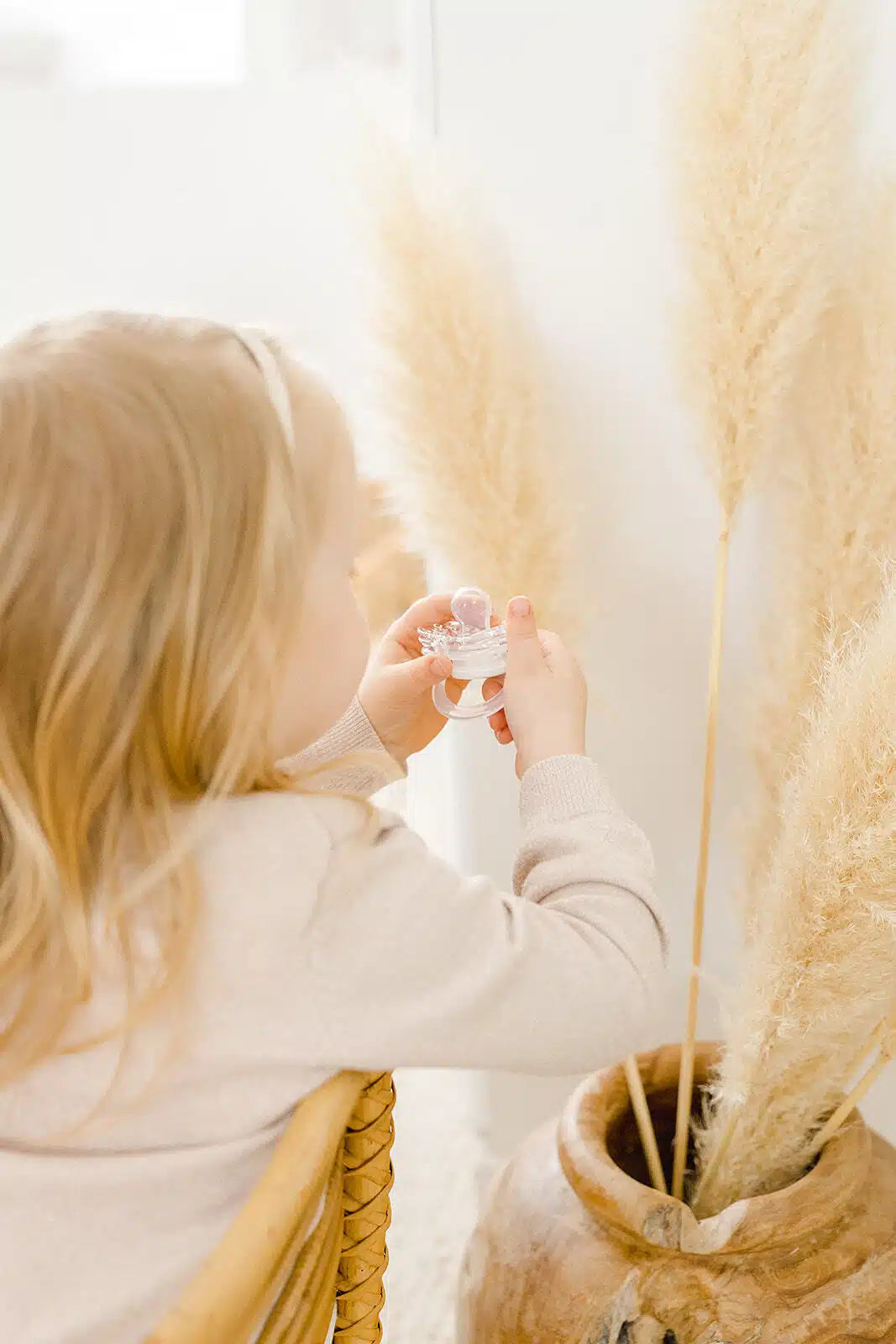
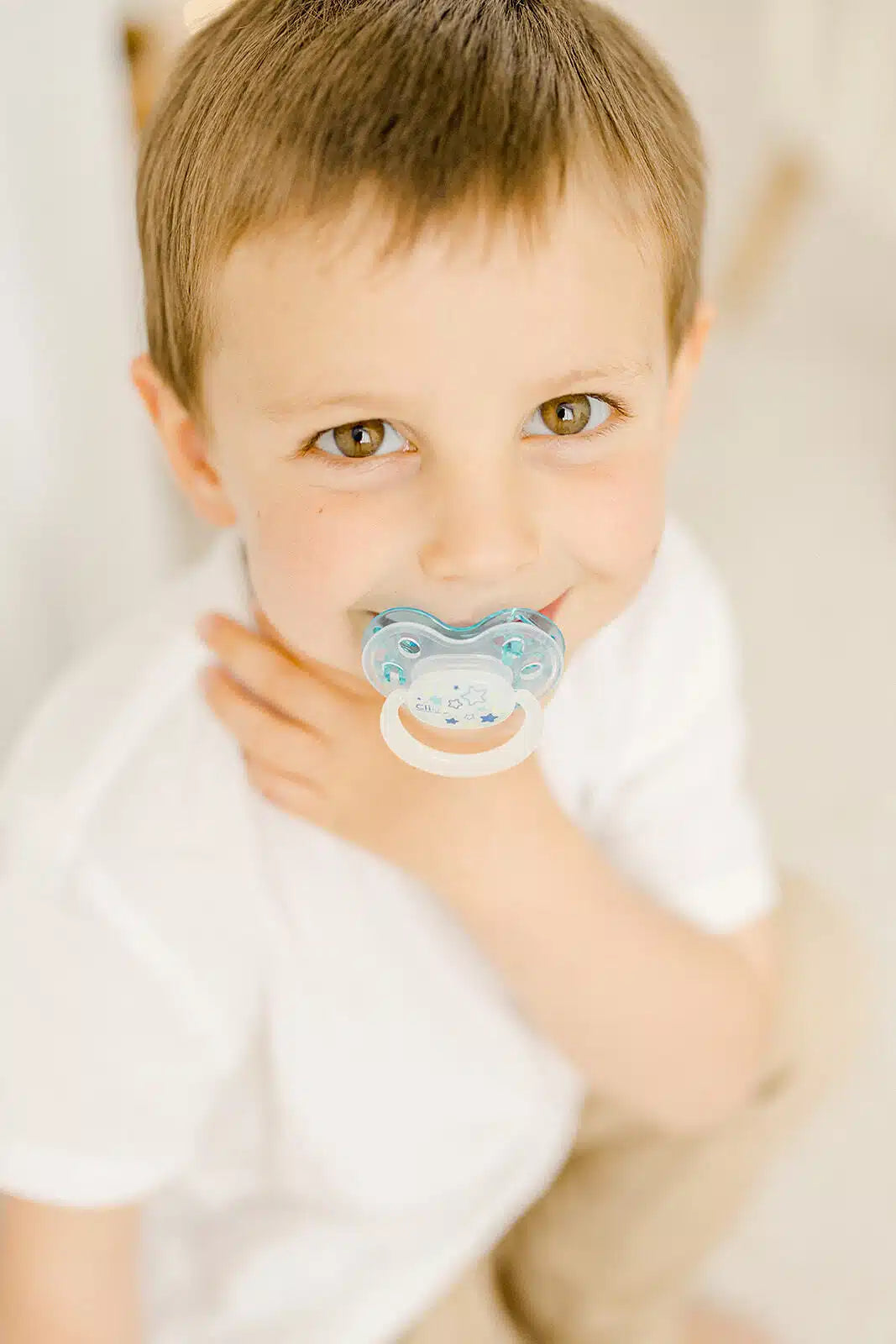
Pacifiers meet a natural sucking need: to fall asleep, feel calm, or self-soothe.
But sometimes, this evolves. Some children start to bite, chew, or gnaw instead of sucking.
Why?
No. Clipp is a weaning pacifier, not a teether. Its soft, slim, and evolving design helps reduce sucking – not withstand chewing.
If your child bites the pacifier, they’re changing its purpose. And Clipp isn’t meant to be chewed. It won’t last under that use.
You’re not alone. Some dummies on the market are so resistant, they don’t show wear. Your child may have been chewing for a while – without any visible signs. Once they switch to Clipp, signs of wear may appear quickly. That’s not a defect – it’s a clue: the pacifier is being used differently.
Watch for signs:
These help you identify the right time to stop – or switch tools.
Certified safety – but not chew-proof
Clipp pacifiers are CE certified and meet all standards under EN 1400 (for safety, tear resistance, and durability). But no pacifier is designed to be bitten. Clipp is a suction tool – not a chew toy.
And above all – don’t feel guilty. This is a natural phase in weaning.
Biting shows that sucking is no longer the need. Your child is transitioning away from pacifiers. That’s a success! At this stage, Clipp is no longer the right tool. It works best when your child still sucks their dummy.
What matters is to respect their rhythm – and gently guide them toward something new.
They’re almost there. And you’ve done a wonderful job. ❤️


