Tétine & Santé
18.05.2026
What are the advantages and disadvantages of a dummy?

Sucking is more than just a need, it’s an innate reflex for infants.
Dummies are an essential part of life for many babies and young children. They have been used for decades and are appreciated by many parents for their ability to soothe and comfort toddlers. However, dummies are also the subject of much debate because of their potential impact on children’s oral health and development. Find out about the advantages and disadvantages of a dummy.
Dummies offer a number of benefits for babies and parents. Let’s look at these benefits in more detail.
Sucking is an innate need in infants. From birth, they have a sucking reflex that helps them to feed and calm themselves. The dummy meets this need by offering babies comfort when they are not feeding. This non-nutritive sucking can help soothe newborns in stressful situations, settle them to sleep more easily and reduce crying. Many parents find a dummy a valuable tool for calming their child during car journeys, visits to the doctor or at anxious moments.
Sudden infant death syndrome (SIDS) is a major concern for parents of young babies. The Lullaby Trust notes that large reviews have linked dummy use with a lower risk of SIDS, and advises offering a dummy for every sleep once breastfeeding is established. It should not be forced if your baby refuses it, and there is no need to put it back in if it falls out during sleep [1]. This benefit applies to the first year of life.
The dummy is a practical tool that is easy to handle. It’s small, light and easy to carry, making it ideal for daily family life. Parents can easily carry a spare dummy in their changing bag or pocket, so they can use it at any time to soothe their child. It is also easy to clean and sterilise, making it a hygienic option.

Despite its advantages, dummies also have disadvantages, and it is important to be aware of them. Here are the main risks:
One of the major drawbacks of prolonged dummy use is its potential impact on children’s oral health. Misaligned teeth and changes to the shape of the palate are the particular concern. The constant pressure of the dummy on the teeth and palate can cause teeth to shift, which may later require orthodontic treatment. According to the British Orthodontic Society, the length of time the habit lasts matters more than how hard the child sucks [2]. A common reference is to start limiting dummy use from around 6 to 12 months of age and to stop between 2 and 3 years old. The longer the habit continues, the more likely it is to affect the teeth.
Kept in the mouth during the day, a dummy leaves fewer opportunities to babble and practise talking. However, the scientific evidence is limited, and language difficulties often have other causes. In some cases, prolonged sucking can also affect breathing and swallowing. Limiting dummy use can help limit these effects.
Children can become very attached to their dummy, which makes weaning difficult. This habit can lead to sleep problems and anxiety when the dummy is no longer there. Some children find it hard to fall asleep without it and wake frequently in the night looking for it. Gradual, well-planned weaning helps avoid these problems.
The British Orthodontic Society also advises a positive approach: stay positive and avoid nagging, teasing or punishing your child [2]. Parents can introduce alternative comfort techniques and gradually reduce dummy use.
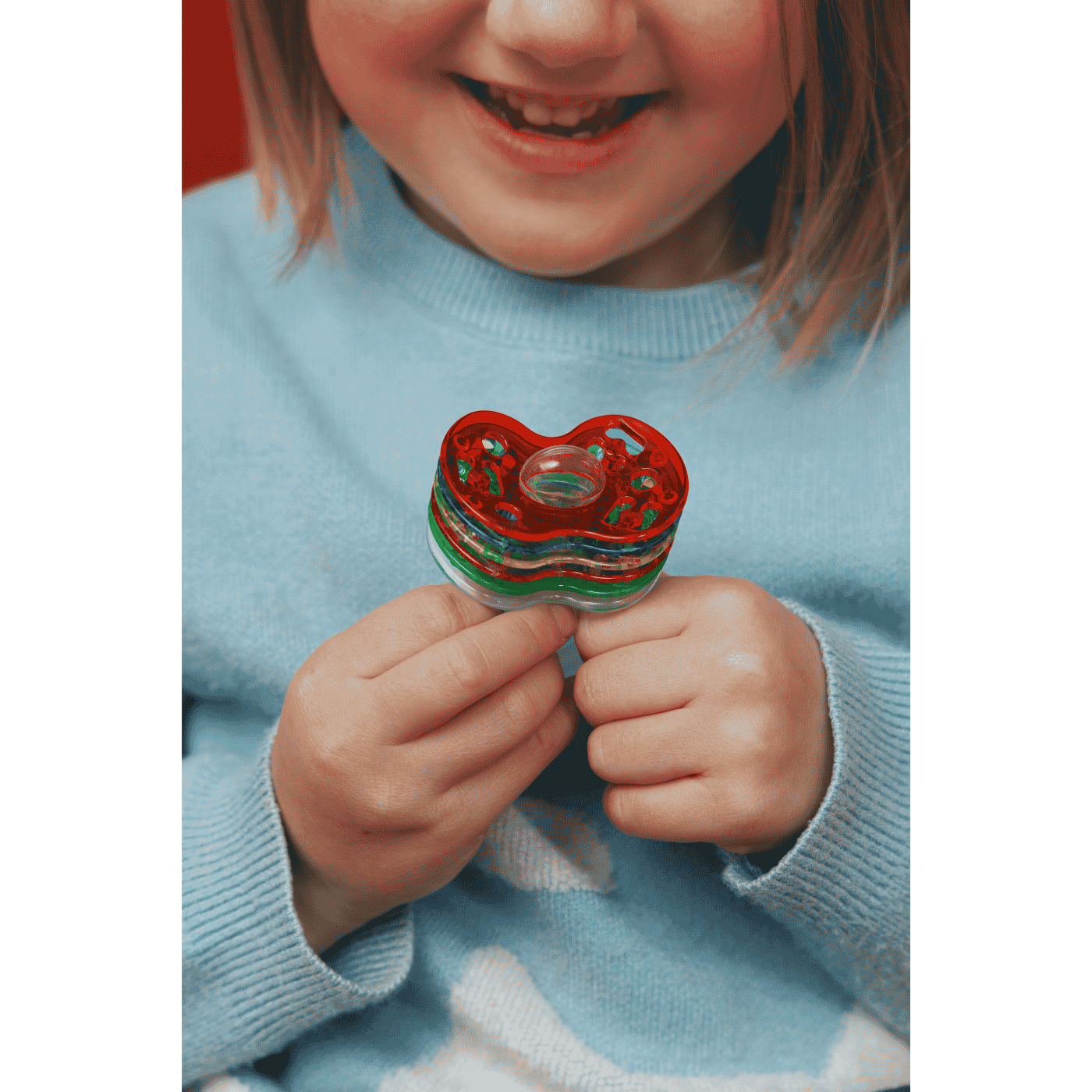
The Clipp® weaning dummy enables natural, progressive weaning: five shields are added one after another, gradually reducing the part available for sucking. This respects each child’s pace and eases the transition. Parents can follow their child’s progress and adapt the process to their needs and comfort.
To make the most of the advantages of a dummy while minimising the risks, here are a few practical tips.
Choose a dummy that suits your child’s age and needs. Selection criteria include material, shape and size. Silicone dummies are often preferred, as they are more durable, more resistant to bites and easy to clean. Latex ones are softer, but can wear out more quickly and cause allergies in some children. If your child chews their dummy, see My child bites their dummy: should they keep their Clipp dummy?
Look at the shape too: every dummy has an effect on the teeth, whatever its label (“conventional” or “orthodontic”), and there is not enough evidence to recommend one shape over another. The round (“cherry”) shape is however thought to be particularly involved in open bite.
Finally, the size should suit your child’s age. A dummy that is too big or too small can make sucking difficult and uncomfortable. Manufacturers generally offer dummies in different sizes for newborns, babies aged 3 to 6 months, and older children. Follow the manufacturer’s recommendations to ensure optimum and safe use. For hygiene, never clean a dummy by putting it in your own mouth, and never dip it in sugar or honey.
To minimise the disadvantages, it is advisable to limit dummy use. Restricting it to sleep times or moments of high stress can help reduce the risk of becoming too attached to it and of effects on development.
Parents can also establish weaning routines by gradually reducing the time their child uses a dummy each day, in line with the advice to wean gradually. For example, they can start by limiting the dummy to naptime and bedtime, then gradually phase it out altogether.
By making informed choices and using appropriate solutions like Clipp, parents can offer their children comfort while minimising the risks. The key is to strike a balance between using the dummy to soothe the child and preventing long-term health problems.
Sources :