
Arrêter la tétine
18.05.2026
What age should a child stop using a dummy? The guidelines

When babies grow up, many parents wonder at what age to stop the dummy, how to go about it and why.
Used from the first months to soothe and reassure, a dummy can quickly become a habit that is hard to break.
What do the guidelines say?
A common reference is to limit dummy use from around 6 to 12 months of age and to stop between 2 and 3 years old, and gradual weaning helps your child get there gently.
Stopping the dummy: what age is recommended?
A common reference gives these milestones:
Prolonged use can contribute to malocclusion, such as an open bite (where the front teeth no longer meet). Constant sucking puts pressure on the teeth and gums.
According to the British Orthodontic Society, the length of time the habit lasts matters more than how hard the child sucks, and effects on the teeth are more likely if it goes on for more than about 6 hours a day [1].
A dummy can also get in the way of speech: kept in the mouth during the day, it leaves fewer opportunities to babble and practise talking. The evidence is limited, though, and language difficulties often have other causes. Finally, a strong need for a dummy can become a habit that is hard to break, which makes weaning harder over time.

Stopping early doesn’t mean stopping fast. Weaning that is too early or forced may lead some children to turn to their thumb, which is usually harder to stop than a dummy [1].
A gradual and positive approach works better: reduce the situations in which the dummy is used little by little, limiting it to sleep or moments when your child needs comfort most, praise their efforts, offer rewards and use a wall chart with a daily reward, rather than nagging, teasing or punishing [1]. Involving your child in the decisions helps. For more ideas, see how to stop your child’s dummy use gently.

Avoid periods of upheaval: moving house, starting nursery, illness, the arrival of a new baby. Choose a calm moment instead, such as a birthday, a holiday, the start of the school year or a time when your child is already using their dummy less.
There are a number of strategies that can help with weaning your baby off the dummy.
Start by reducing the time it is used, limiting it to naps and bedtime. Encourage and praise your child when they spend time without it, and offer other sources of comfort: a comfort toy, a blanket, cuddles, a bedtime story.
Soft toys should not be left in the cot with babies under 12 months.
Never cut or pierce a dummy to force weaning: a piece could come off and become a choking hazard
These transitional objects can provide a sense of security and comfort similar to that of a dummy.
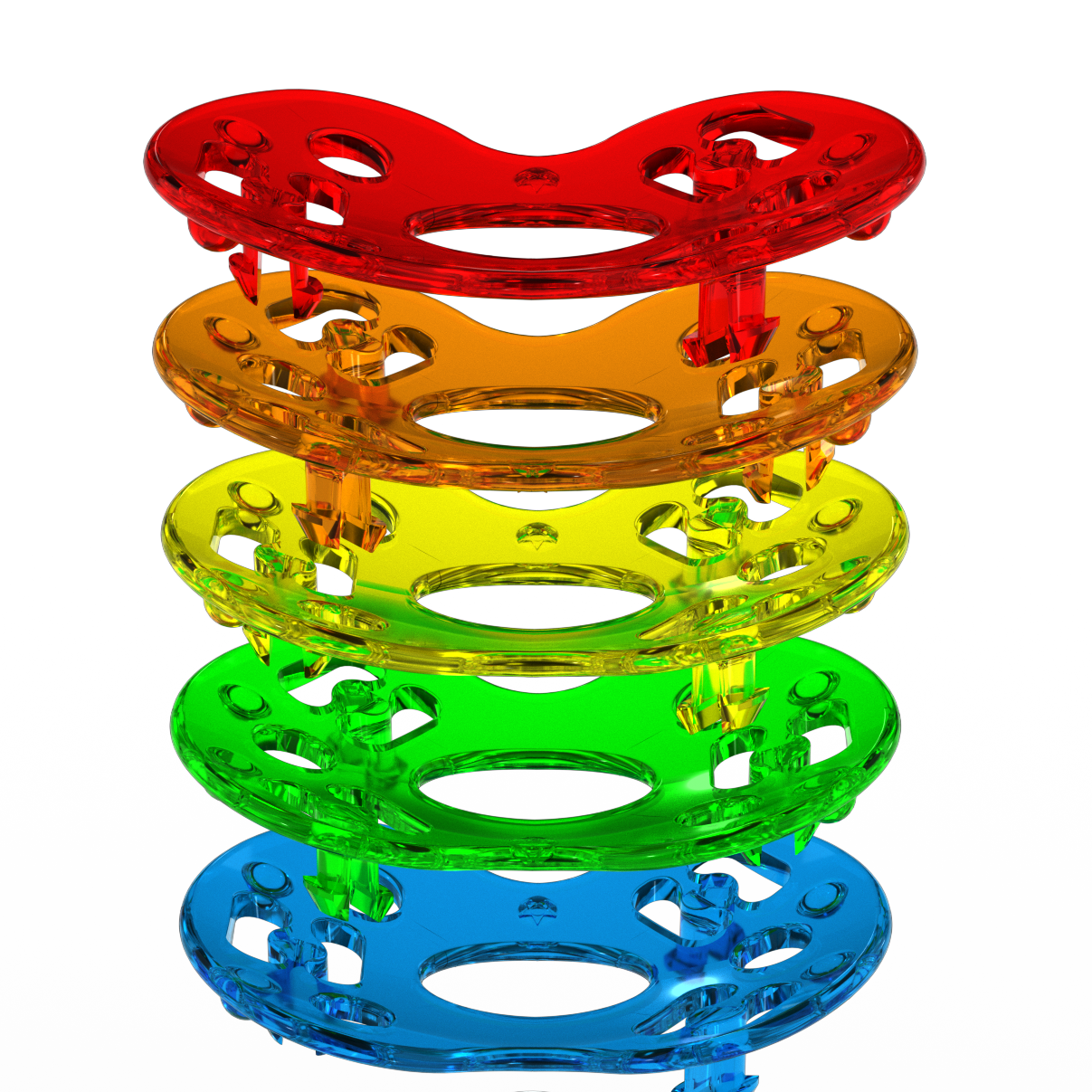
The Clipp® weaning dummy offers a gradual transition: five shields are added one after another to the dummy, gradually reducing the part available for sucking.
Your child keeps their comfort item and lets go at their own pace, with no sudden removal, which can build their confidence. The calendar in the Dummy Weaning Toolkit lets you celebrate each stage, and the certificate marks the end. This approach is in line with the positive approach advised by the British Orthodontic Society [1].
Clipp® was also assessed in a pilot study at Nice University Hospital (dental surgery thesis, Université Côte d’Azur, 2025): among the 54 children who completed the follow-up, 51 stopped using their dummy (94.4%) [2].
Talk to your dentist, orthodontist, GP, healthvisitor or speech and language therapist if your child is still using a dummy beyond the usual reference of 2 to 3 years, if weaning causes significant distress, if they can’t cut down on its use, or if you notice changes to the teeth, speech difficulties or ear, nose and throat problems.
The Clipp® dummy supports dummy weaning; it does not replace medical advice.
Stopping the dummy is an important step, and patience, support and encouragement are the key.
Sources :