
Arrêter la tétine
18.05.2026
When should your child stop using a dummy?

Recommendations from the UBFSBD - the French Union for Oral and Dental Health
Dear parents, we feel it is important to remind you of the following information from the Union Française pour la Santé Bucco-Dentaire (UBFSBD – he French Union for Oral and Dental Health):
– Thumb sucking or dummy use are not recommended.
– The need to suck naturally disappears between the ages of 2 and 5.
– You can start to stop dummy use from the age of 2, but after the age of 3, it is advisable to consult a specialist.
Signs that your child is ready to stop using a dummy
When your child starts to show signs of independence, such as speaking more clearly or playing on their own for longer periods, this may be a sign that they are ready to give up the dummy. You should also observe whether your child uses the dummy less often or seems less dependent on it for calming themselves down. These signs may indicate that it’s time to start gradually reducing dummy use.
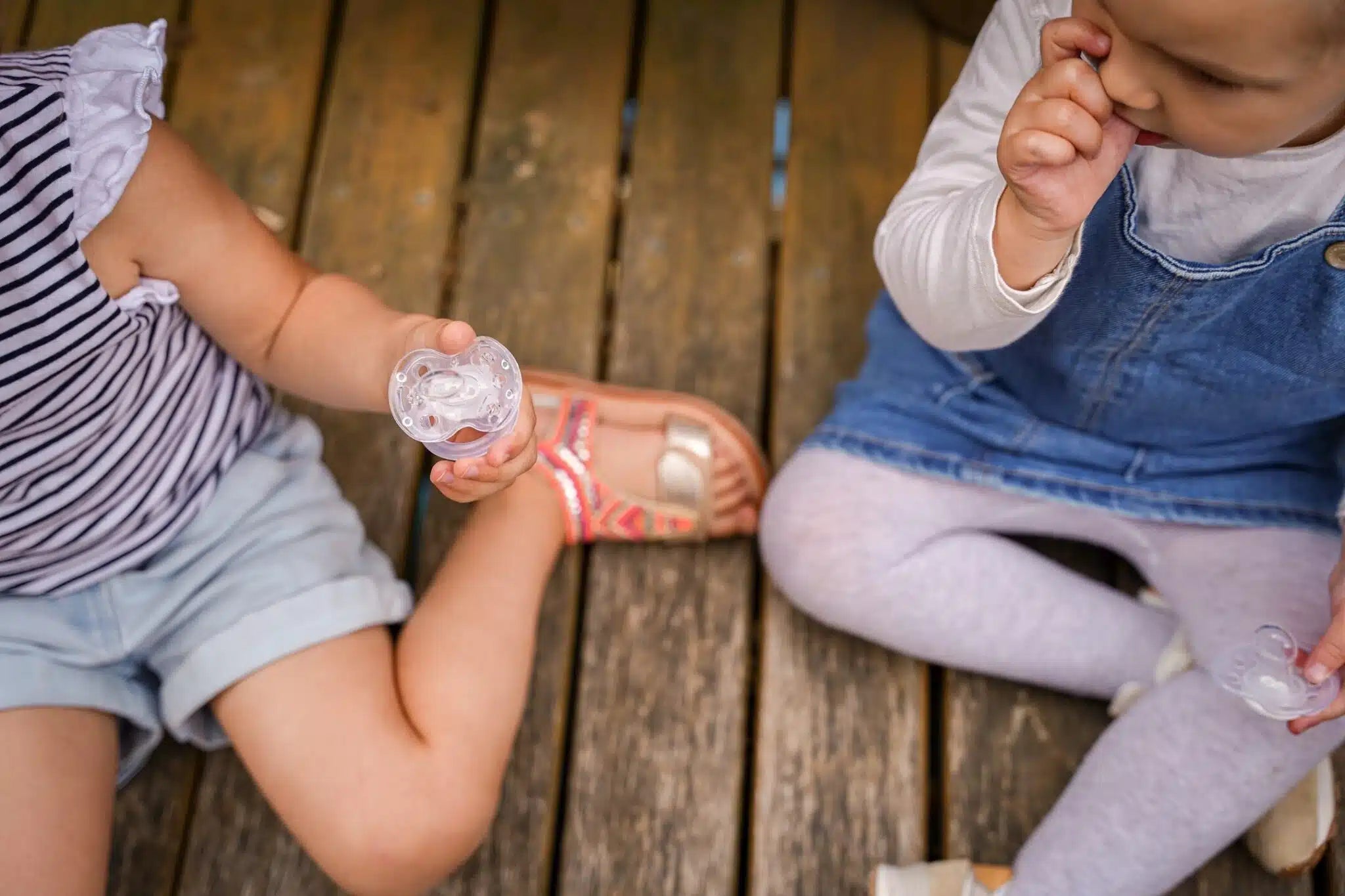
The advantages of stopping dummy use
Giving up the dummy can have many benefits for your child’s development. It can improve speech and pronunciation, reduce the risk of dental problems and encourage independence. What’s more, it can help your child develop healthier stress management mechanisms and learn to calm down without depending on an external object.
Methods for stopping dummy use
There are several ways to help your child stop using their dummy:
The progressive method involves gradually reducing dummy use, limiting it to certain times of the day.
The “cold turkey” method involves completely stopping the use of the dummy all at once.
Another method consist of replacingthe dummy with other comforting objects, such as a cuddly toy or blanket.
All these methods are flawed, either because they are inefficient or because they are ‘brutal’ for the child.
To date, the Clipp method is the best because it is gentle, gradual and fast (your child stops using the dummy for good in 4 just weeks)
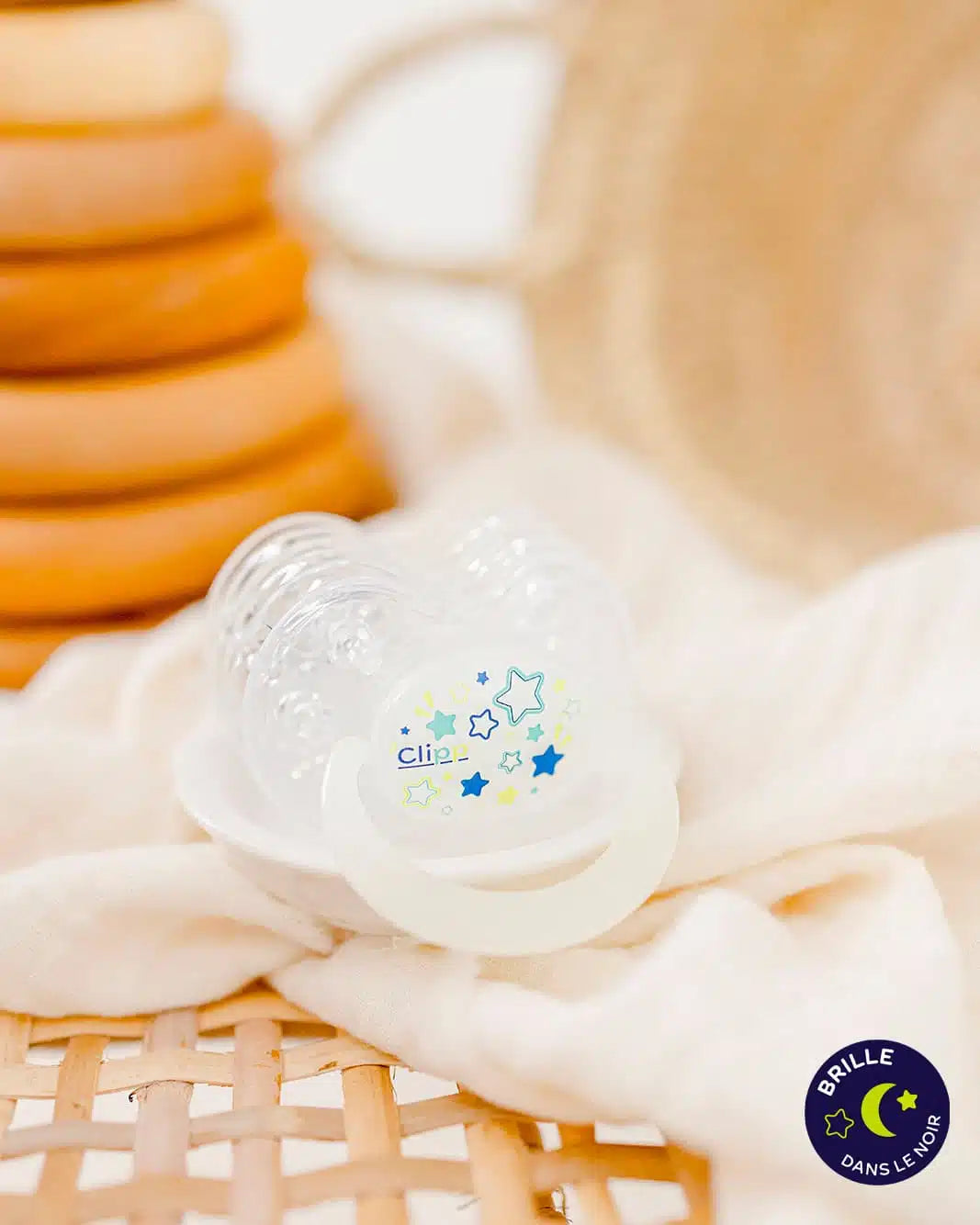
The Challenges of Stopping Pacifier Use
Stopping pacifier use can be a challenge for both parents and children. Children may experience anxiety or frustration without their usual comfort object. Parents may also feel guilty or uncertain about the best way to manage this transition. It's important to remain patient and provide emotional support to your child during this time.
Tips for a Smooth Transition
To ease the transition, it's important to choose the right moment, such as a period without stress or major changes in your child's life. Talk to your child about stopping pacifier use and explain why it's important. Offer alternative comfort items and praise your child for their efforts. Be patient and understanding, and remember that every child is unique and may need time to adapt.